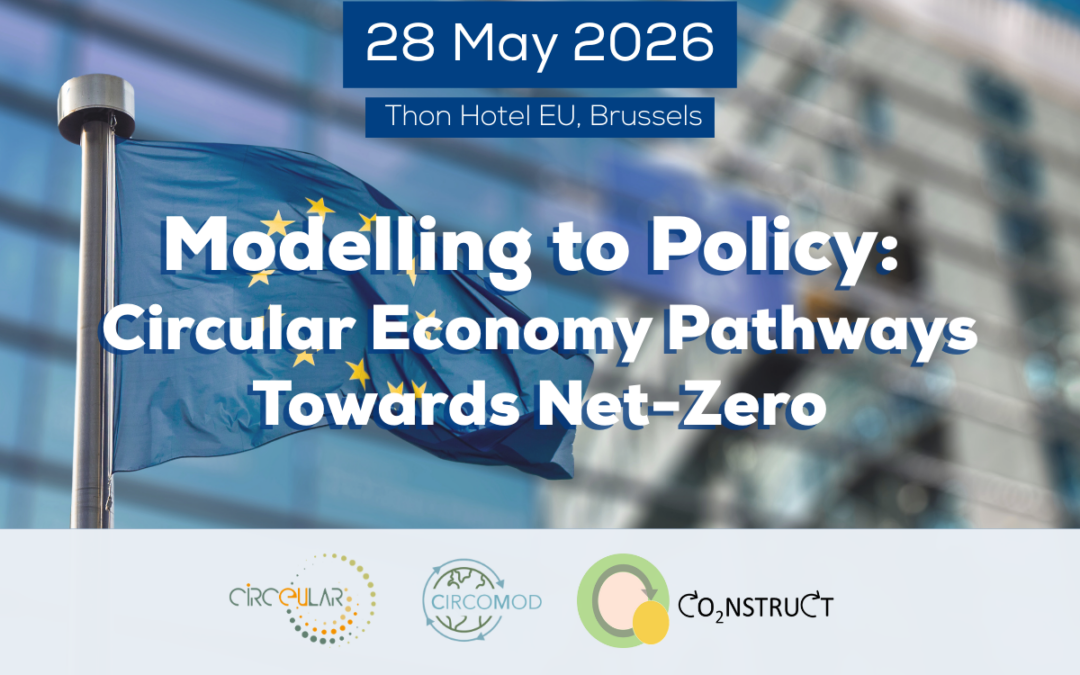
May 13, 2026
A dynamic afternoon exploring evidence-driven insights on climate mitigation contributions from circular economy strategies for construction – buildings, transport and energy infrastructure; services – housing and mobility; and system-wide enablers and impacts including digitalisation, behaviour change, and rebound effects.
May 7, 2026
On 23 April 2026, researchers from the CircEUlar project participated in the online closed-door workshop “The long-term global implications of data centres for climate action”, organised by Bruegel in collaboration with T6 Ecosystems.
Apr 15, 2026
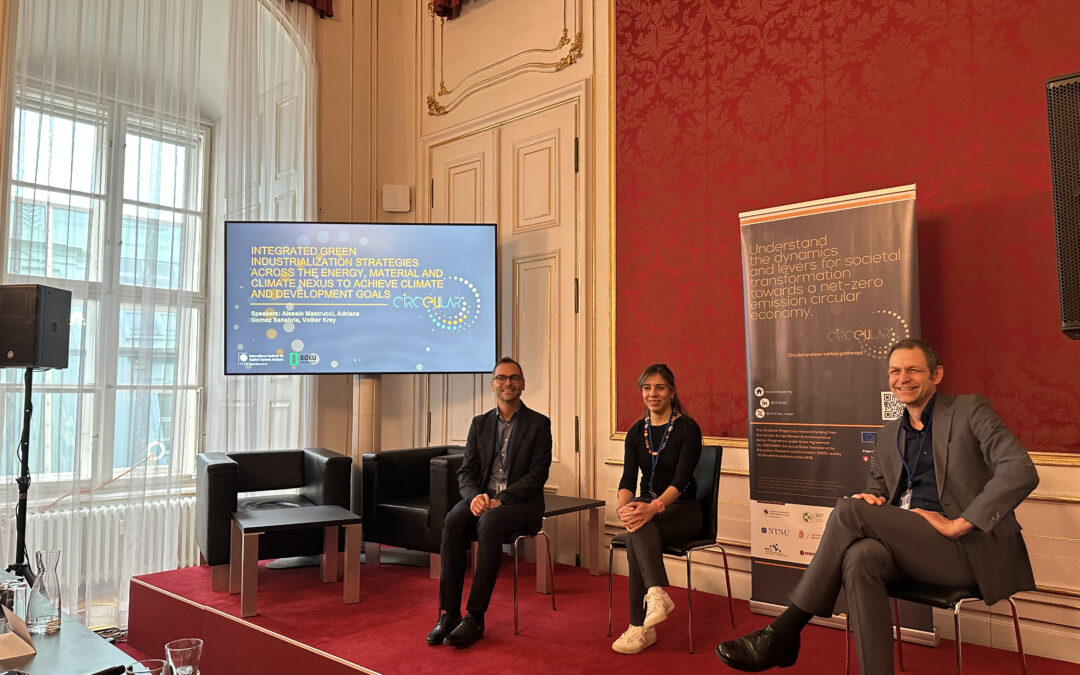
CircEUlar researchers Volker Krey, Alessio Mastrucci, Adriana Gomez Sanabria, and Dominik Wiedenhofer convened a high-level deep dive session at the International Vienna Energy and Climate Forum (IVECF) 2026.
Feb 23, 2026
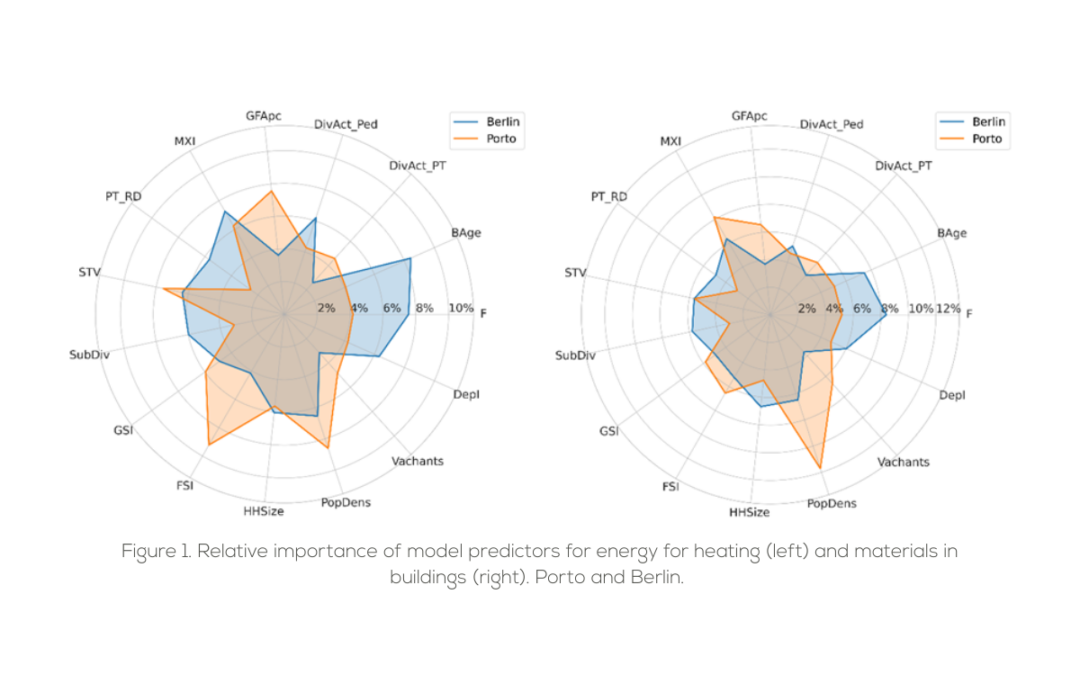
This aimed at deepening the understanding of how the physical urban environment, socio-economic and behavioral drivers influence energy and material needs,
Feb 20, 2026
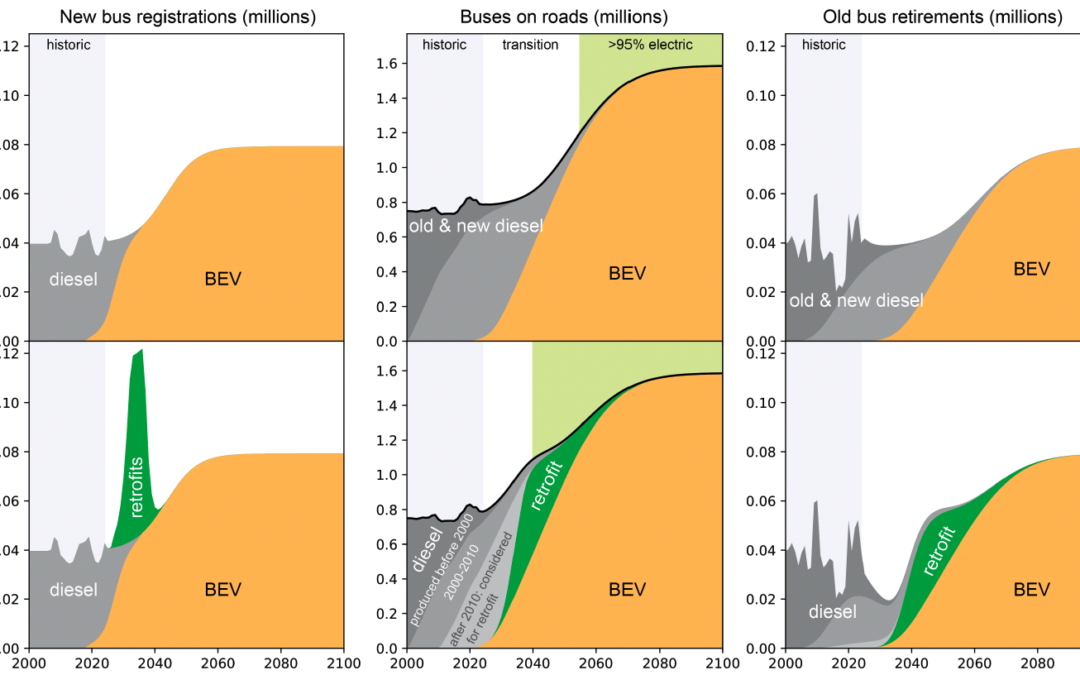
Overall, around 300 million tons of CO2e can be saved directly with this measure, which is comparable to the annual emissions of Spain.
