
Shaping the Future: CircEUlar’s Stakeholder Engagement 2025
As 2024 draws to a close, our partner T6 Ecosystems and IIASA have been busy planning next year’s stakeholder engagement activities which will further enrich the research tasks.

As 2024 draws to a close, our partner T6 Ecosystems and IIASA have been busy planning next year’s stakeholder engagement activities which will further enrich the research tasks.

Mobility, housing behaviour, and efforts to influence others to be more circular are some of the most tangible ways to observe circular behavior. Over the past two years, the CircEUlar team has collected data from over 5,000 households in five European countries to understand how circular people’s behavior currently is.
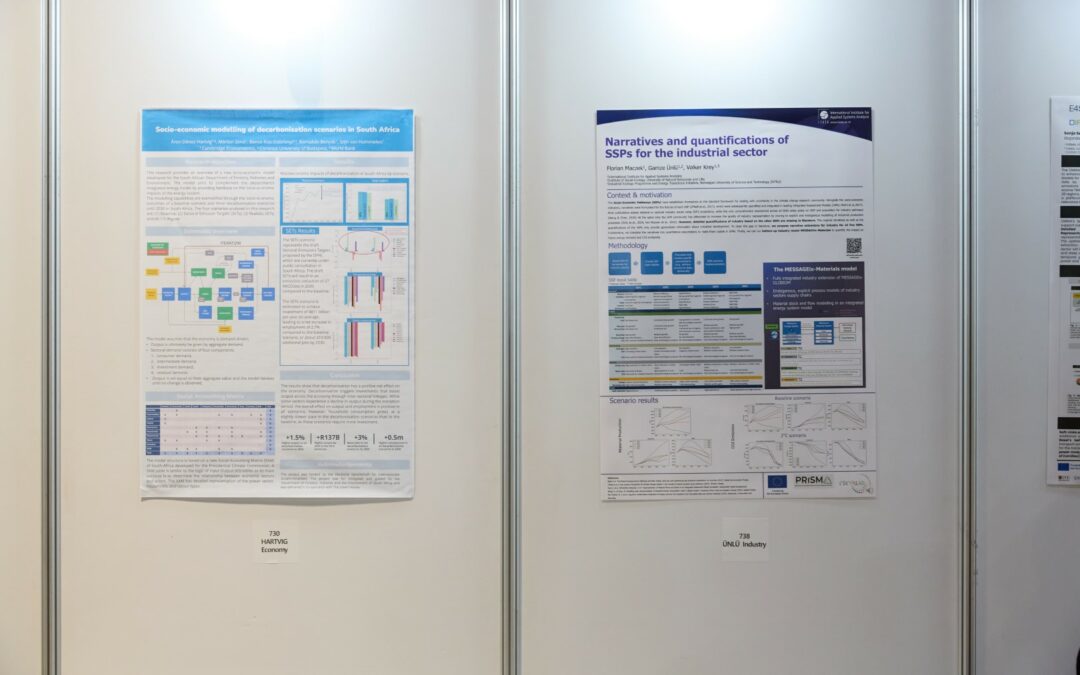
Researchers Gamze Ünlü, Alessio Mastrucci, and Volker Krey shared some of the latest findings from integrated modeling activities in the CircEUlar project with the research community.
The CMCC team is currently developing an online tool aimed at businesses and anyone interested in understanding what actions companies can take to boost the circular economy and reduce resource use.
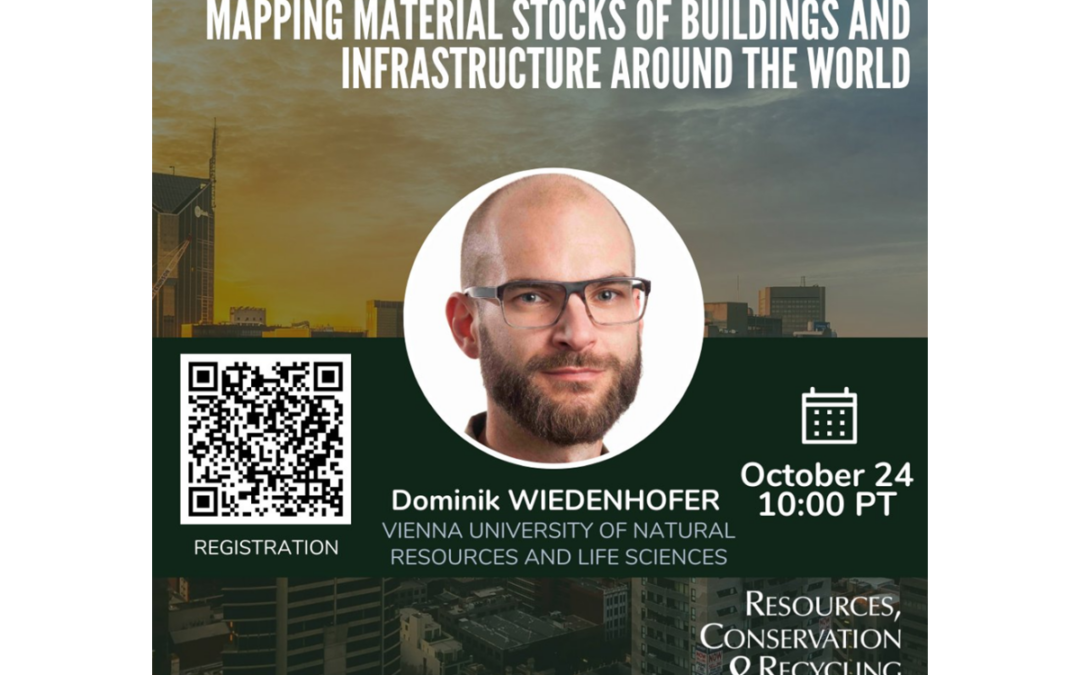
Understanding the size and spatial distribution of socio-economic material stocks is important to inform strategies aimed at more sustainable resource management, a circular economy, as well as climate change mitigation.
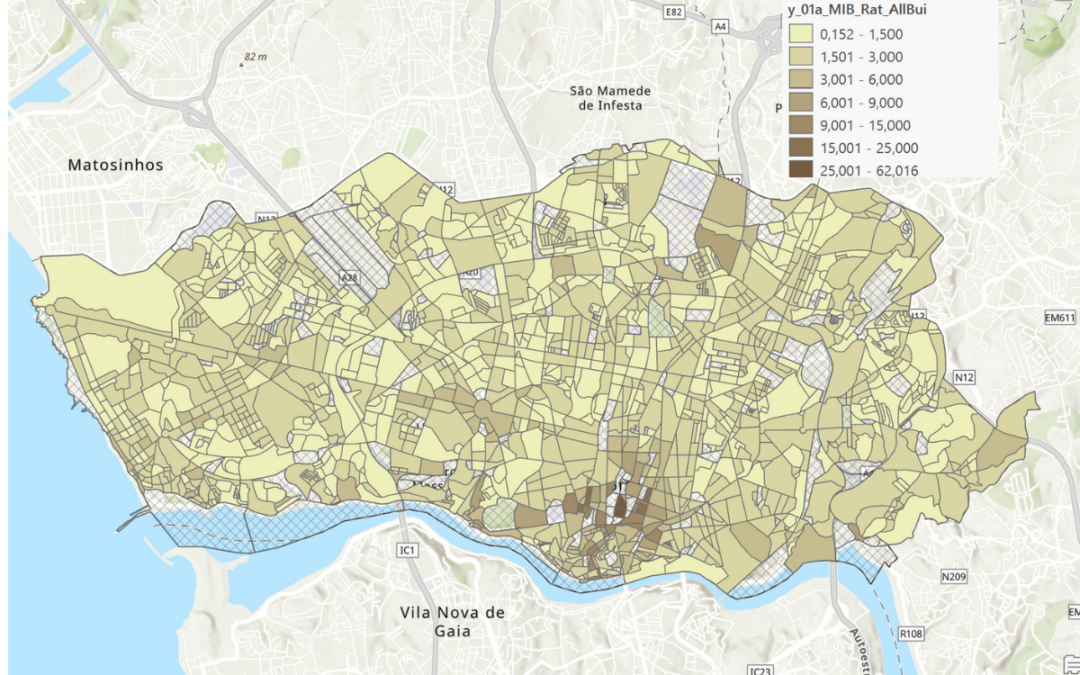
As part of the process of developing a joint model to analyze energy flows and material stocks in urban areas, INEGI has currently concluded the estimation of material stocks in both buildings and mobility infrastructure for one of its case studies, the city of Porto.

The event provided the CircEUlar team with a lot of good insights on the next steps for ensuring further feedback loop mechanisms between academic researchers and policy officers so that modelling can facilitate the circular economy as a means of supporting the Climate Agenda.

Repurposing obsolete steel pipelines shows significant potential to reduce the environmental burden of district heating networks, transform obsolete infrastructure into an essential part of the transition, and introduces an additional circular strategy helping to achieve green energy targets.

Based on a total of 41 interviews with industry professionals across 11 countries, the new report shows a picture of wide variety in the use of design tools and construction automation,

Twenty-eight CircEUlar members from across 12 research organisations met over three days of collaborative working. Partners have come away from Groningen energised and looking forward to continuing the collaborative working.