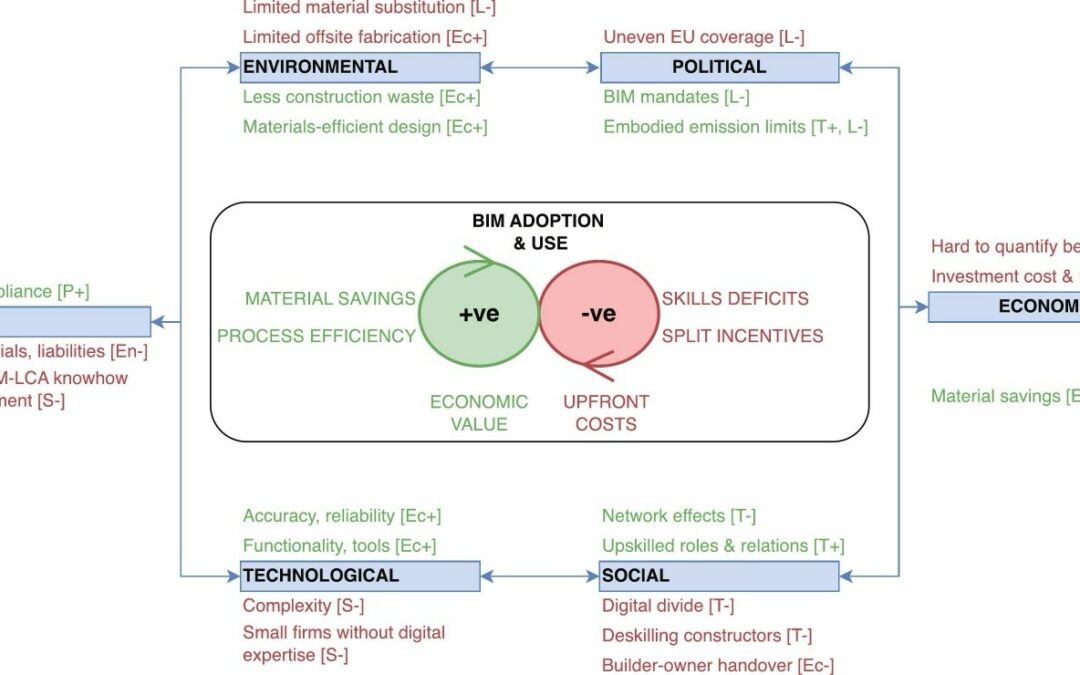
Building Information Modelling for Circular Economy: What Adoption Reveals?
BIM could become a key digital enabler of circular economy principles if barriers to adoption are addressed through policy, skills development, and better incentives.

BIM could become a key digital enabler of circular economy principles if barriers to adoption are addressed through policy, skills development, and better incentives.
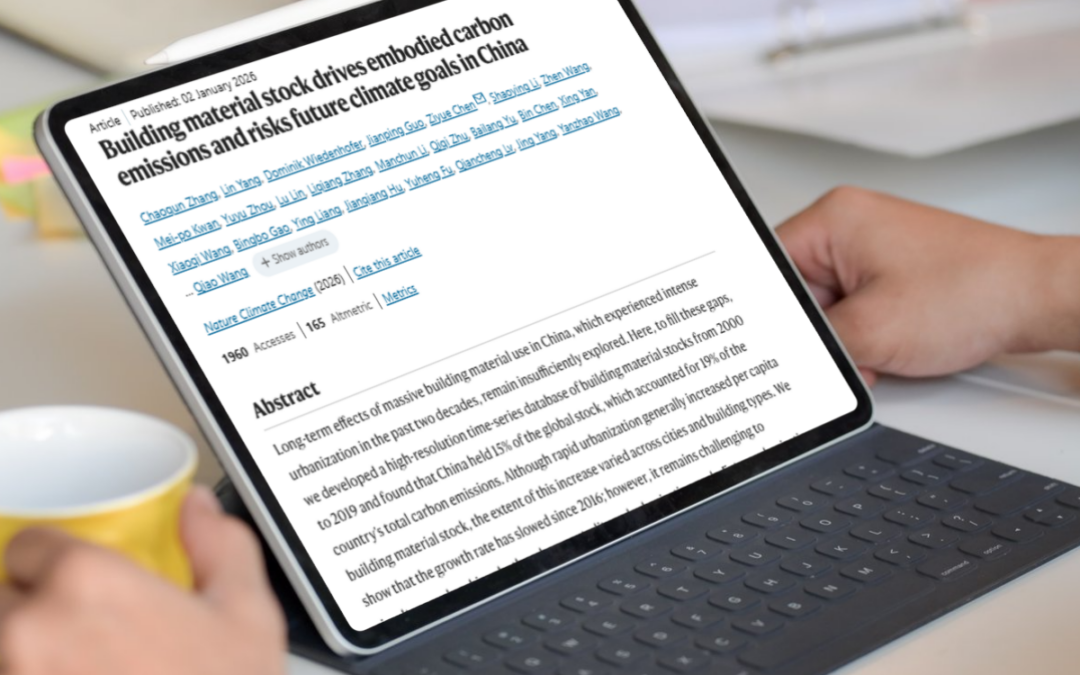
An international study involving BOKU University now reveals how unevenly building growth has occurred over the past 20 years, and how this contributes to climate-damaging emissions.

T6 Ecosystems is coordinating a series of five policy briefs for CircEUlar that aims to connect circular-economy modelling with these strategic directions: stay tuned!
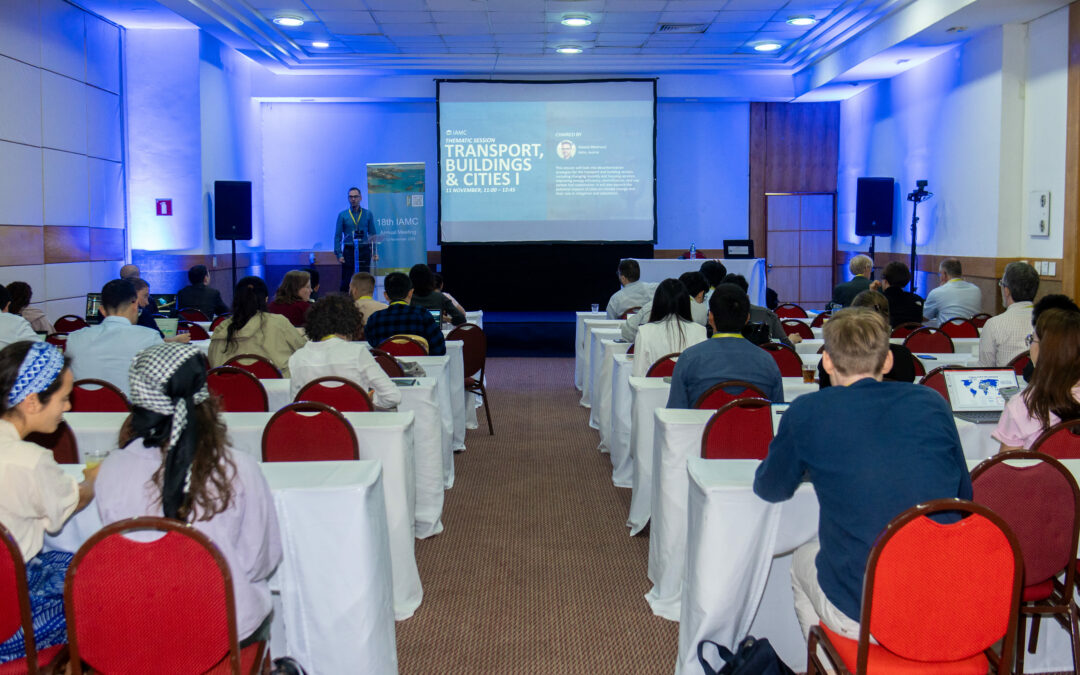
CircEUlar researchers Florian Maczek and Alessio Mastrucci participated in the 18th Integrated Assessment Modeling Consortium (IAMC) Annual Meeting, held from 11-13 November 2025 in the city of Armação dos Búzios, state of Rio de Janeiro, Brazil.
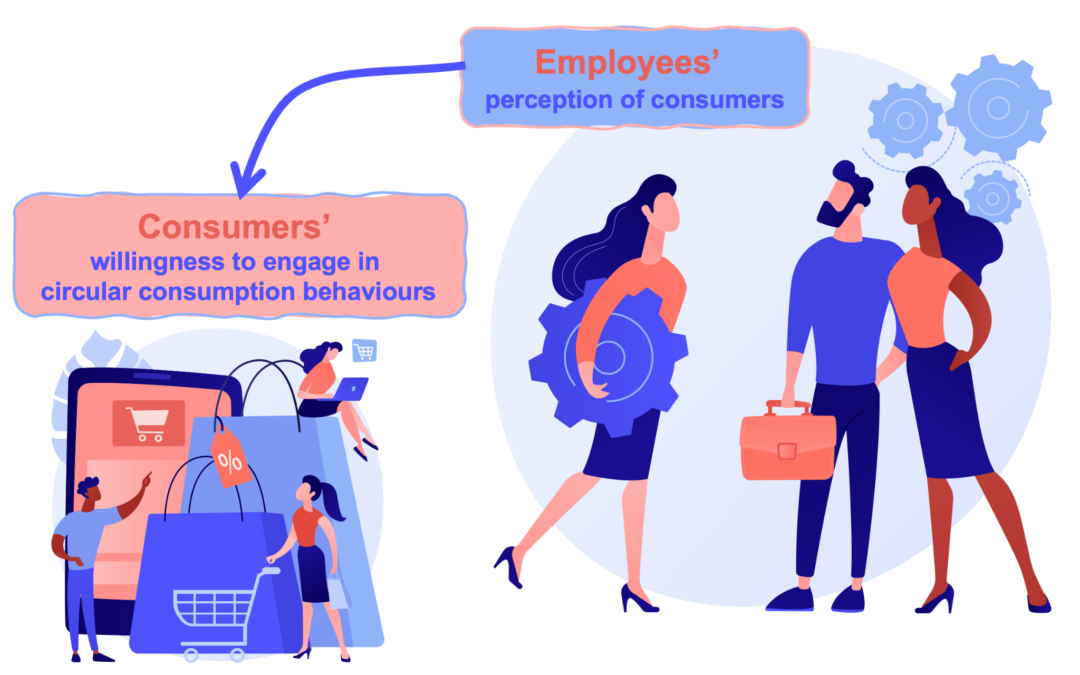
The research teams at the University of Groningen and the LMU Munich conducted two large-scale surveys in five European countries to examine to what extent employees have accurate perceptions of consumers’ willingness to engage in certain circular consumption behaviours.
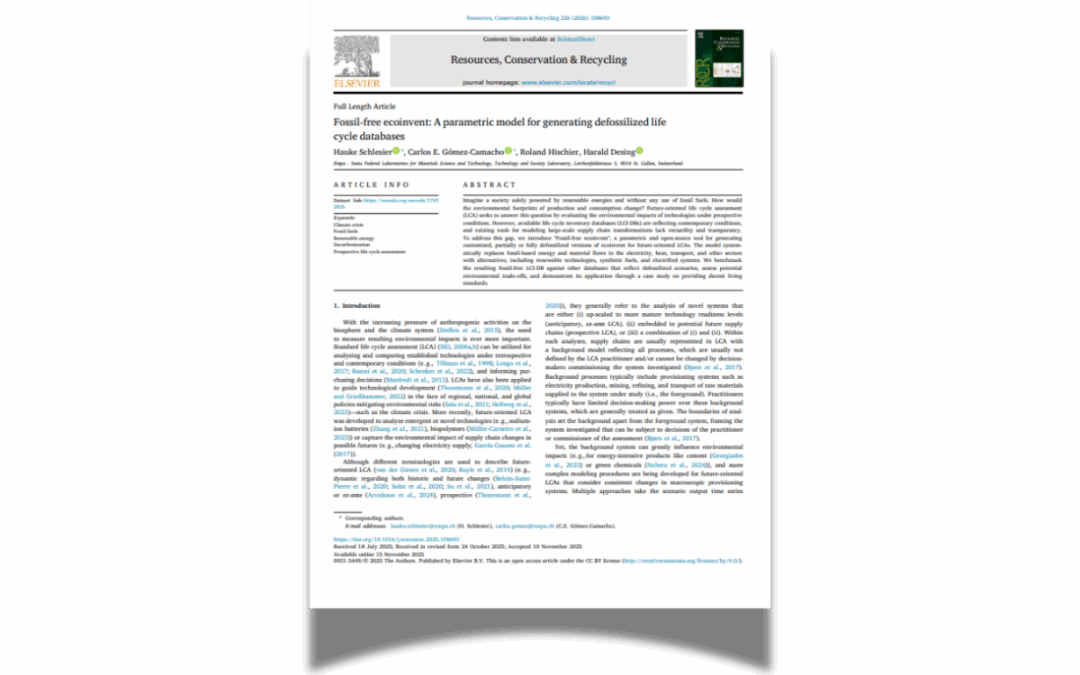
The study introduces an open-source framework that systematically replaces coal, oil, and gas inputs with renewable alternatives, synthetic fuels, and electrified systems in supply chain models.

An innovative online resource designed to support circular economy practitioners across various sectors, particularly those working in buildings, mobility, and manufacturing.
This framework combines a comprehensive spatial analysis with machine learning techniques to inform urban planning practice regarding the influence of urban drivers.
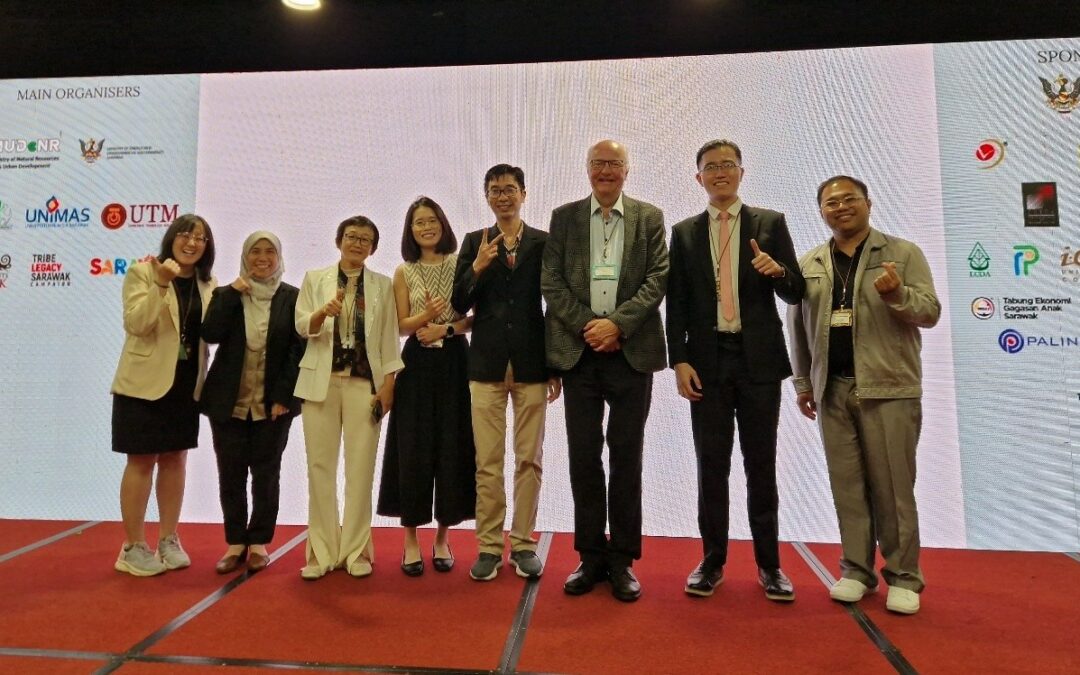
Our CircEUlar partner UOXF delivered a talk on “Broader Impacts of Digitalisation on Decarbonisation Pathways”, formed part of the project’s work, exploring how digitalisation can drive low-carbon transitions, while also considering its own environmental footprint and ways to mitigate these impacts.
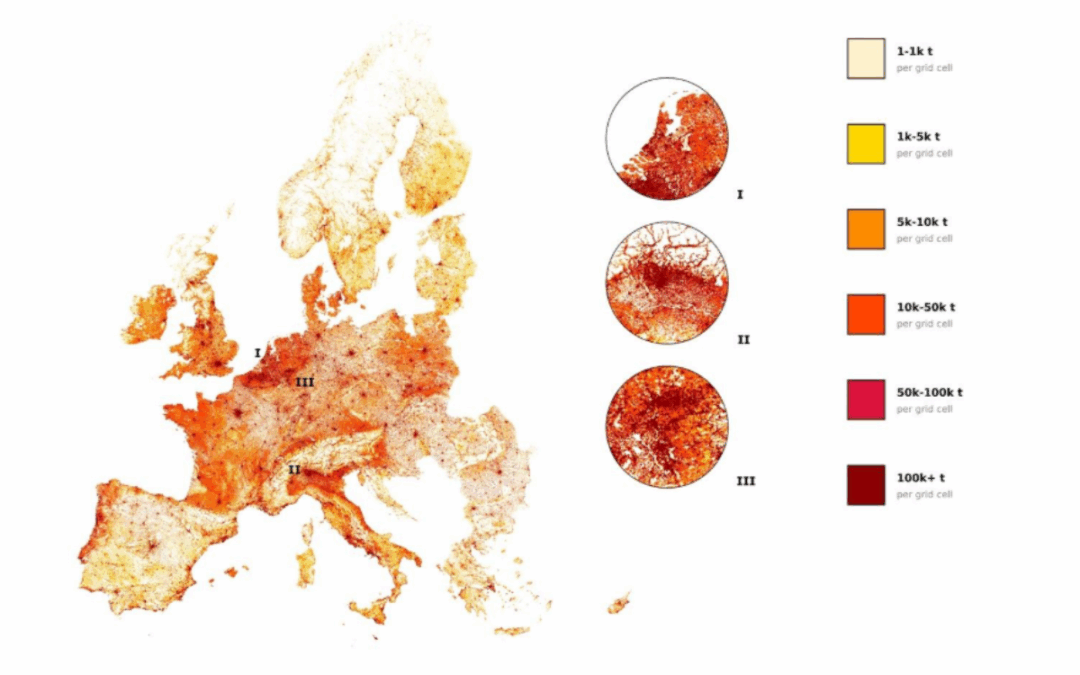
A new report from TU Berlin, PIK, NTNU and BOKU reveals the composition and location of Europe’s massive material stock in buildings, transport infrastructure and vehicles across the EU27, Norway, Switzerland, and the UK.