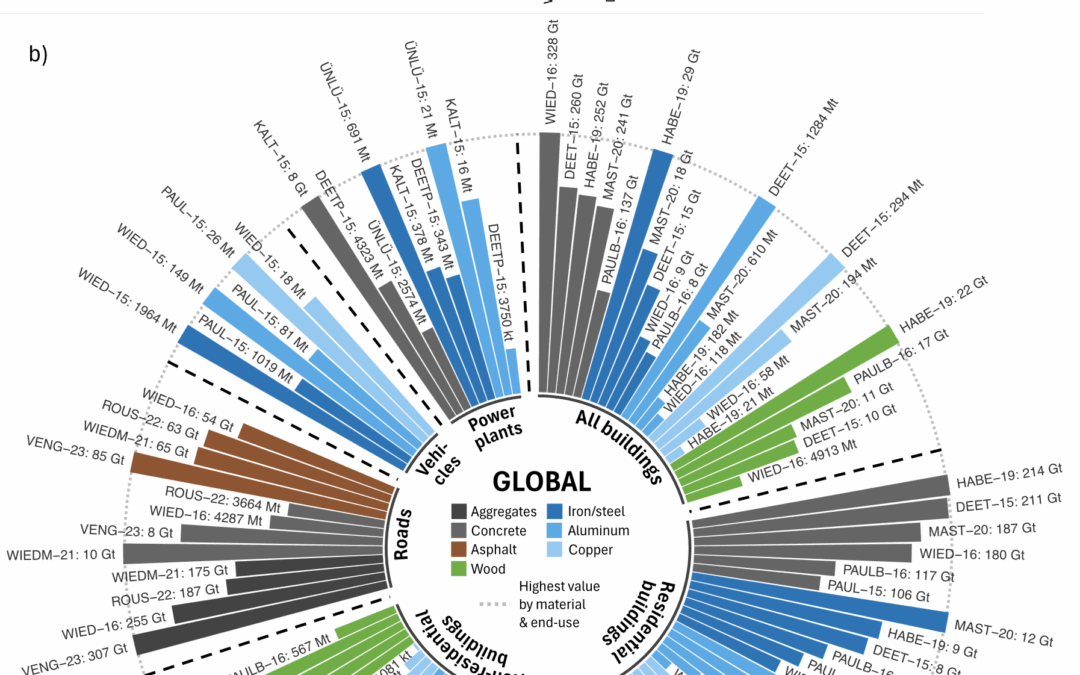
New article on uncertainty in estimates of material stocks
We call for transparent reporting, uncertainty assessments, further data collection, and greater collaboration through open-access tools and standardized approaches.

We call for transparent reporting, uncertainty assessments, further data collection, and greater collaboration through open-access tools and standardized approaches.
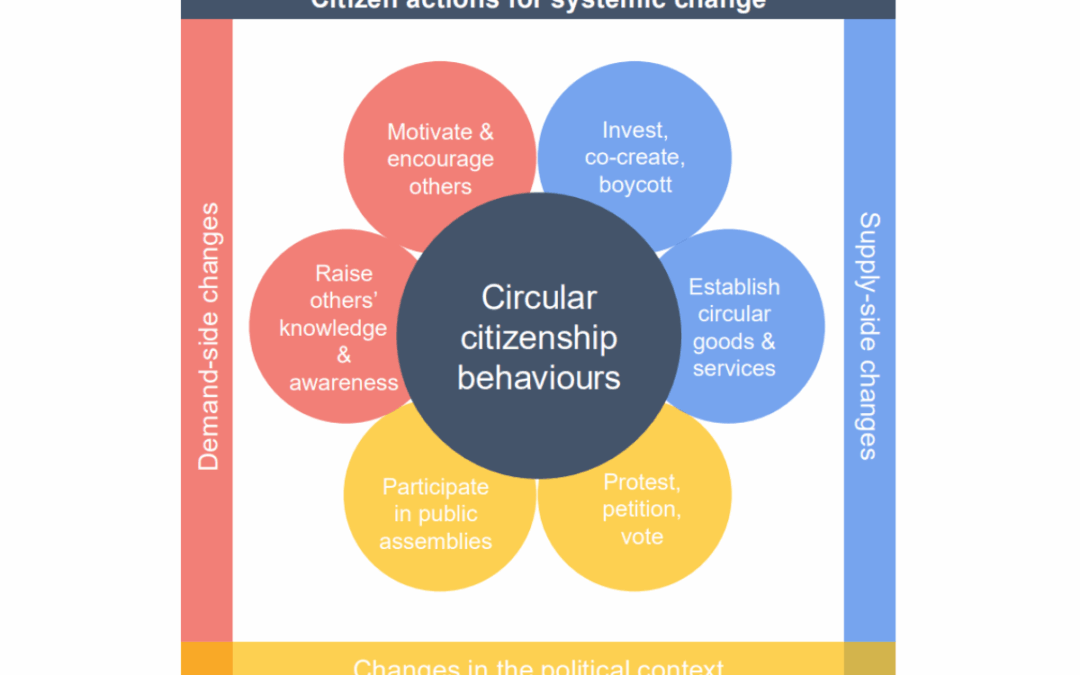
A new theoretical framework developed by our colleagues at the University of Groningen sheds light on how individuals can go beyond personal consumption and actively contribute to systemic change to achieve a circular economy.
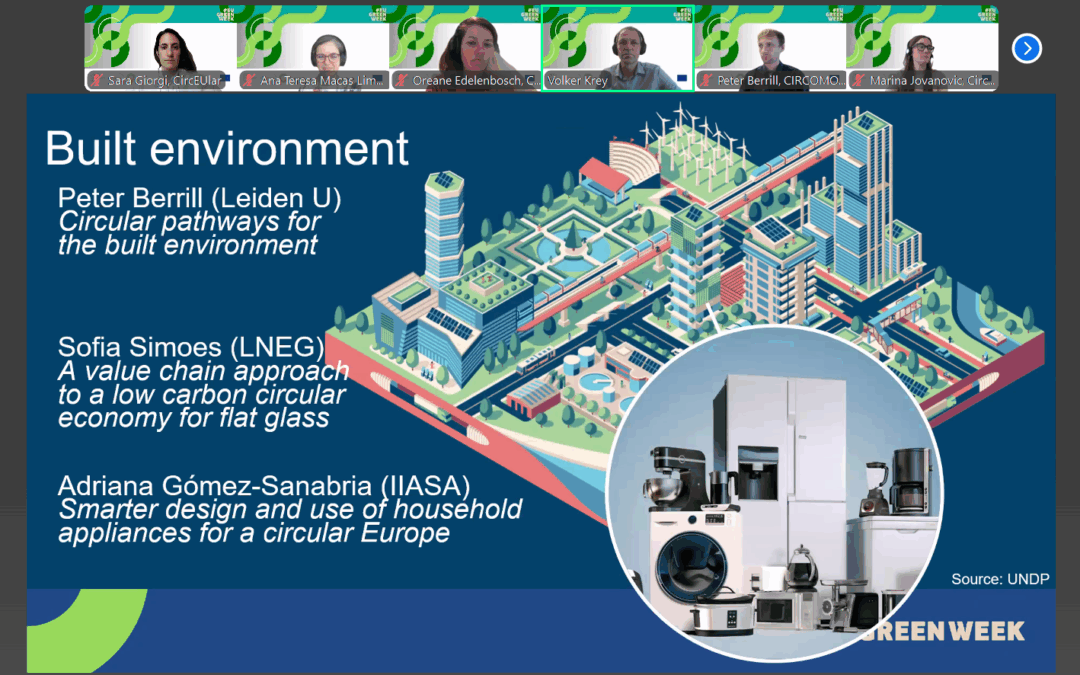
On June 18th CircEUlar, CIRCOMOD and CO2NSTRUCT presented preliminary findings and insights on how, in the built environment, circularity could contribute to driving climate change mitigation as part of EU Green Week.
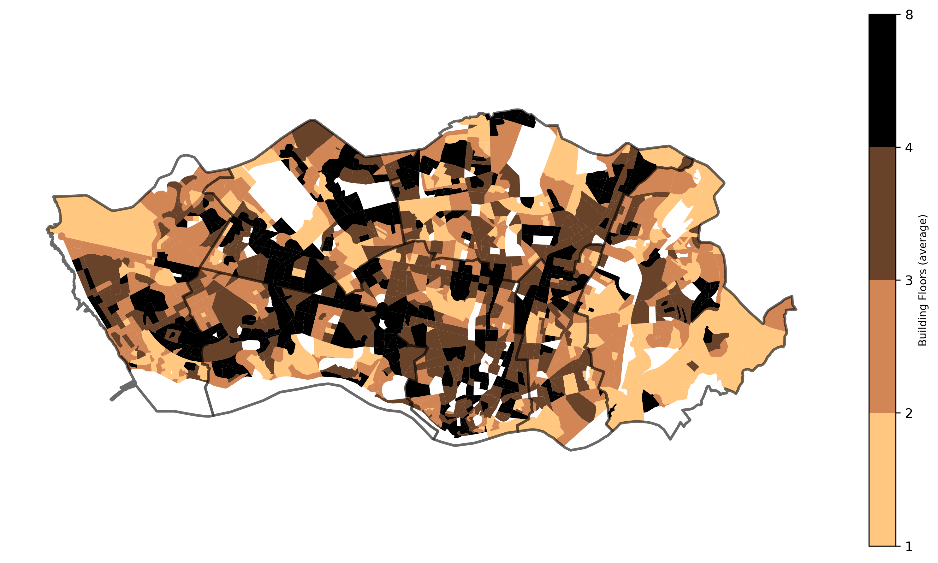
The CircEUlar team at INEGI is exploring how different urban patterns dictate energy and material needs, through spatially-explicit modelling of a comprehensive set of indicators.
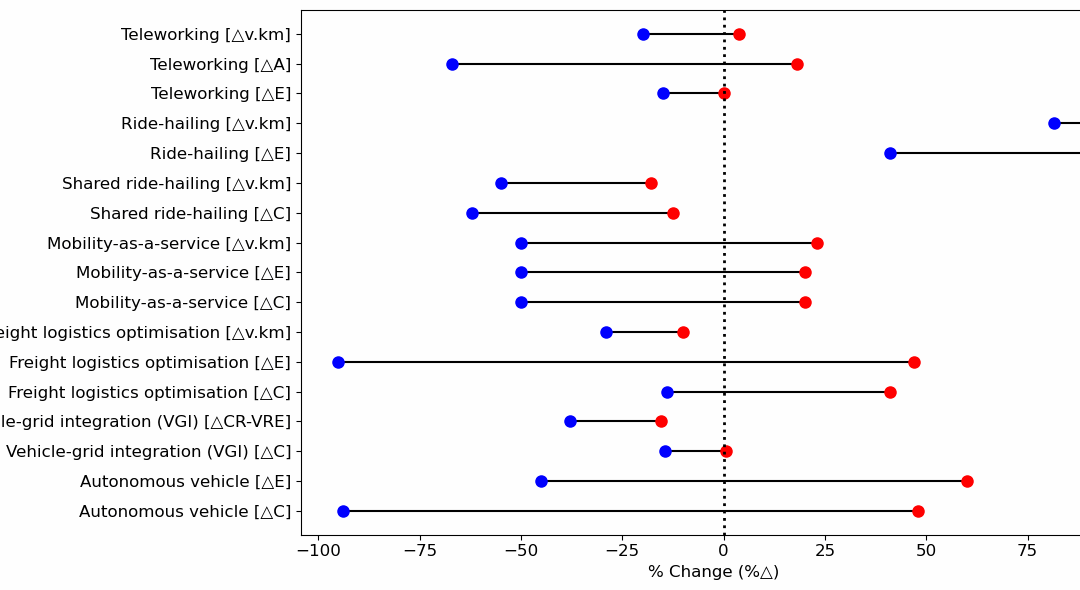
Charlie Wilson and Yee Van Fan argue that the indirect impacts of AI on climate may outweigh concerns about the energy needed to train and run AI models.
The CircEUlar project developed a set of narratives that examine how Circular Economy (CE) strategies can contribute to achieving net-zero greenhouse gas emissions by 2050