Jun 23, 2026
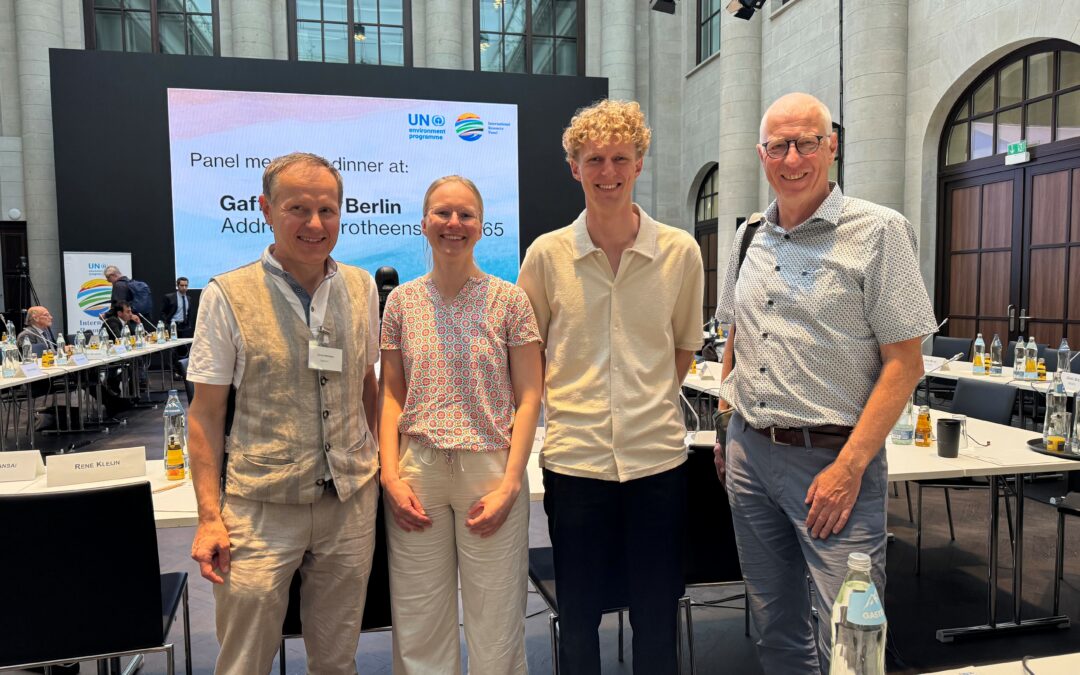
The CircEUlar and CIRCOMOD projects introduce new approaches to representing material efficiency and circular economy measures in emission scenario models, including the MESSAGEix and IMAGE models.
Jun 10, 2026
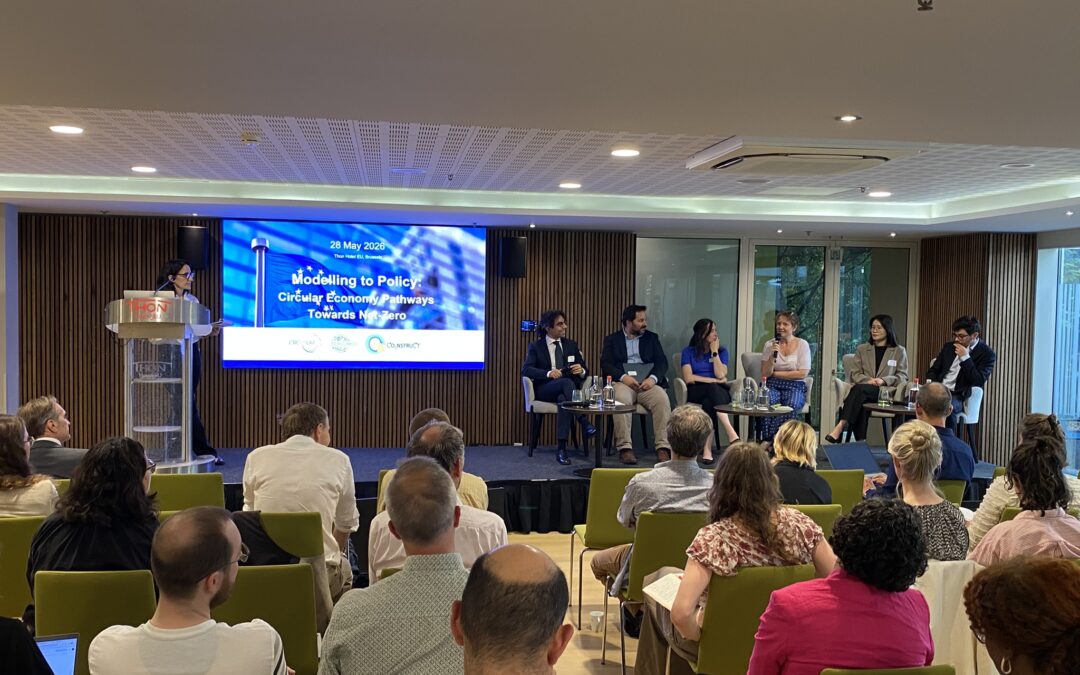
Reflections on how circular economy modelling research can better inform policy for the transition to net-zero.
Jun 5, 2026
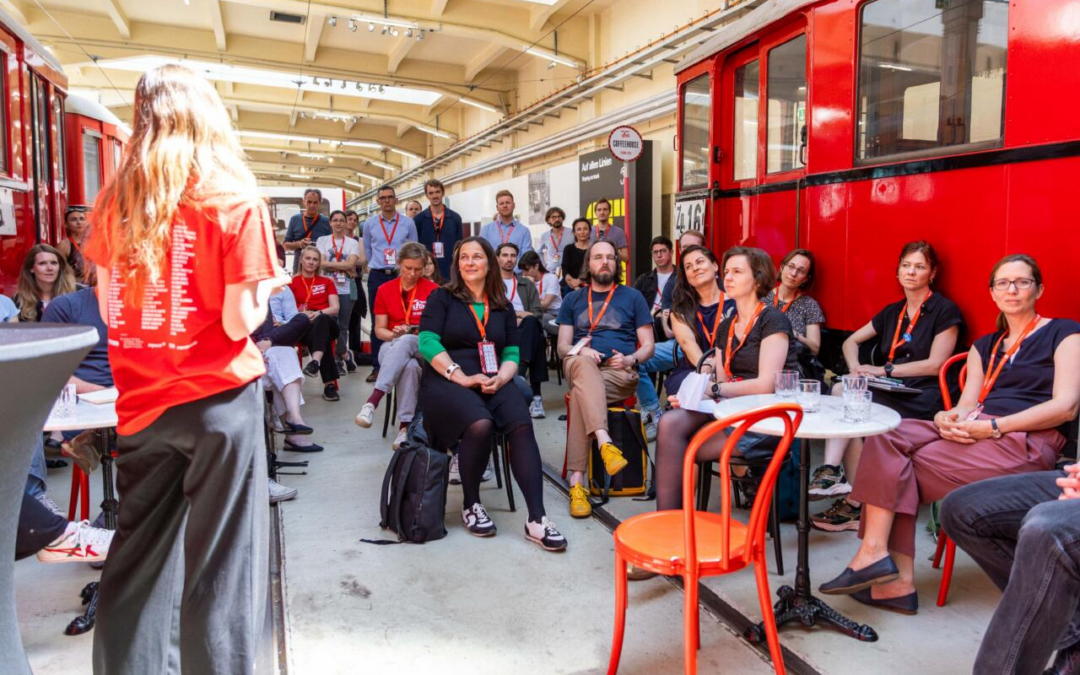
CircEUlar underscores the need for nuanced, evidence-based approaches to designing mobility systems that provide sufficient alternatives to private ownership.
Jun 3, 2026
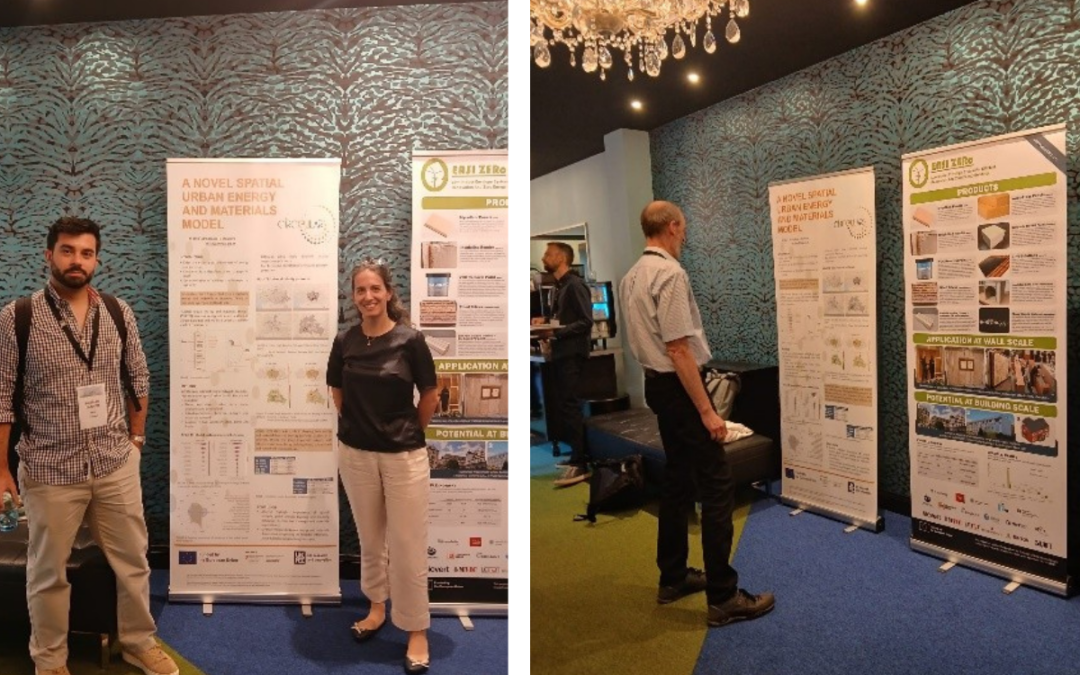
INEGI presented a poster featuring the results of the application of the so-called Spatial Urban Energy and Materials Model (SUE2M) to the cities of Porto and Berlin, developed within the CircEUlar project.
May 13, 2026
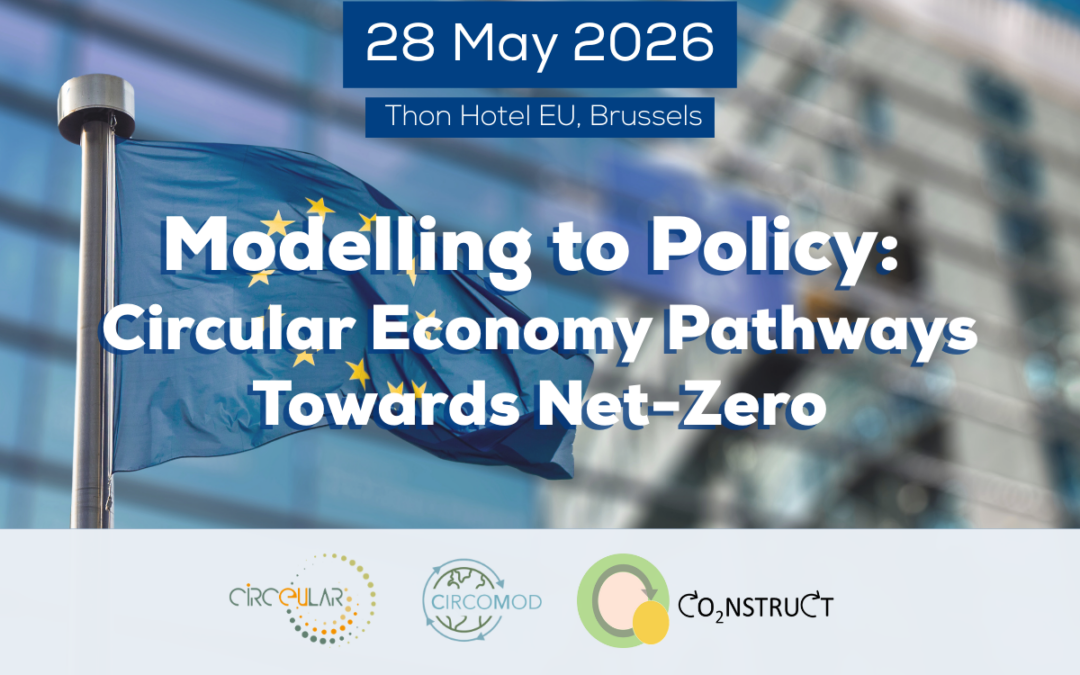
A dynamic afternoon exploring evidence-driven insights on climate mitigation contributions from circular economy strategies for construction – buildings, transport and energy infrastructure; services – housing and mobility; and system-wide enablers and impacts including digitalisation, behaviour change, and rebound effects.
May 7, 2026
On 23 April 2026, researchers from the CircEUlar project participated in the online closed-door workshop “The long-term global implications of data centres for climate action”, organised by Bruegel in collaboration with T6 Ecosystems.
