• Home
  • Consortium
    • Partners
    • Advisory Board
  • Tools & Resources
    • Publications
    • Project Reports
    • Circular ReBoundary
  • News & Events
  • Science & Art
  • Get Involved
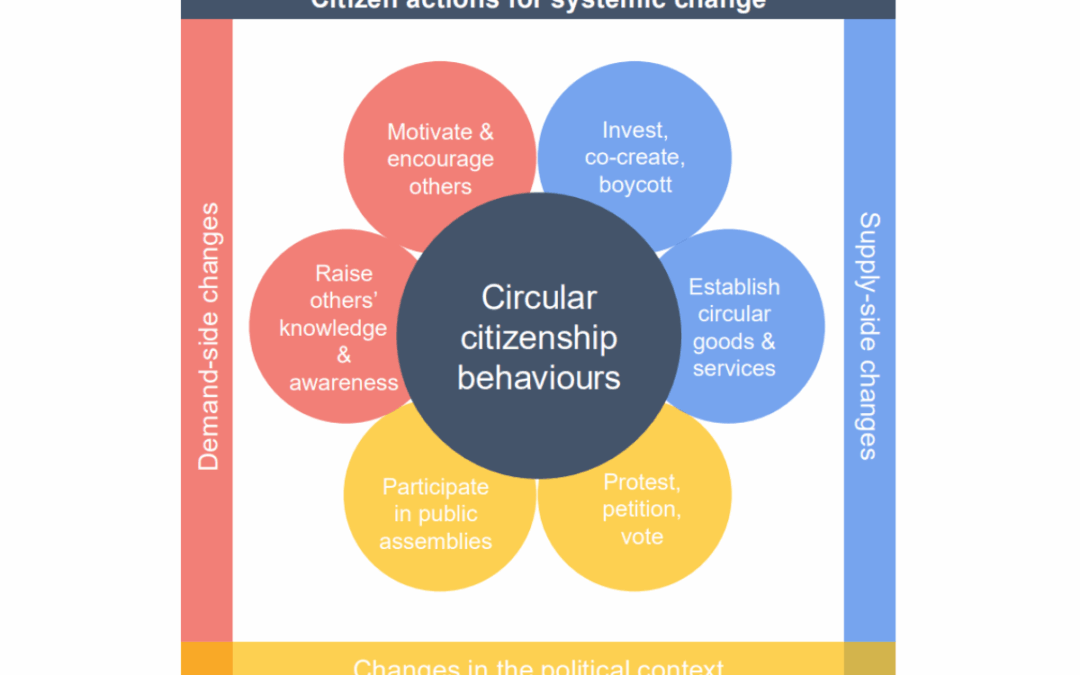
Circular citizenship behaviours: How individuals can promote systemic change towards a circular economy

Circular citizenship behaviours: How individuals can promote systemic change towards a circular economy

Jul 11, 2025

A new theoretical framework developed by our colleagues at the University of Groningen sheds light on how individuals can go beyond personal consumption and actively contribute to systemic change to achieve a circular economy. 

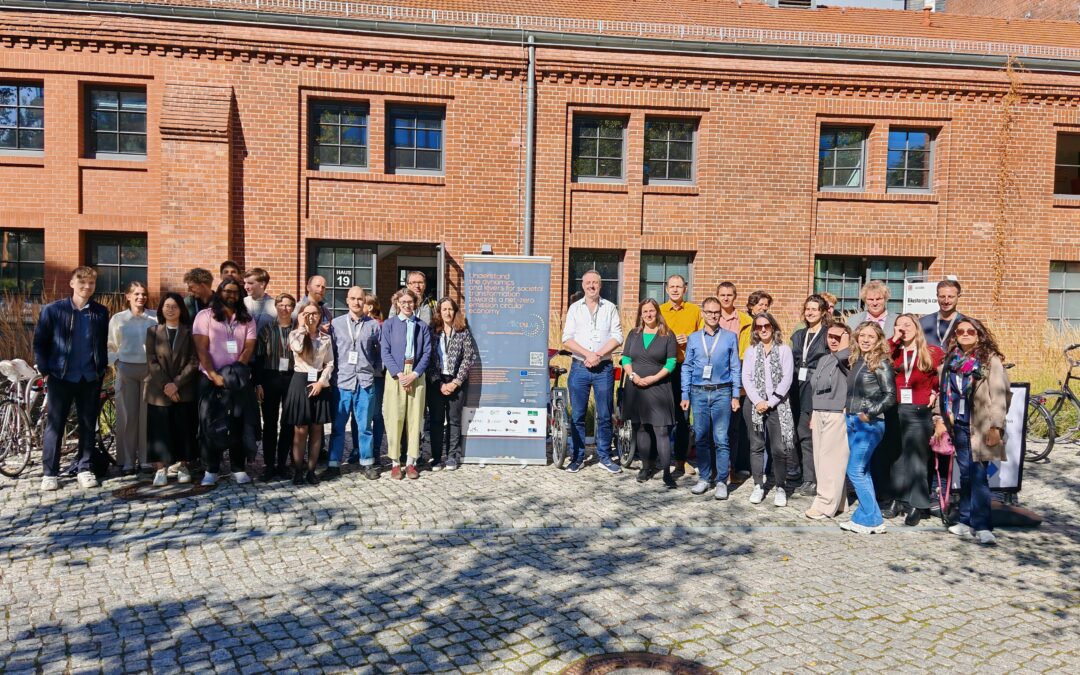
How circularity could contribute to driving climate change mitigation in the Built Environment?

How circularity could contribute to driving climate change mitigation in the Built Environment?

Jun 19, 2025

On June 18th CircEUlar, CIRCOMOD and CO2NSTRUCT presented preliminary findings and insights on how, in the built environment, circularity could contribute to driving climate change mitigation as part of EU Green Week.

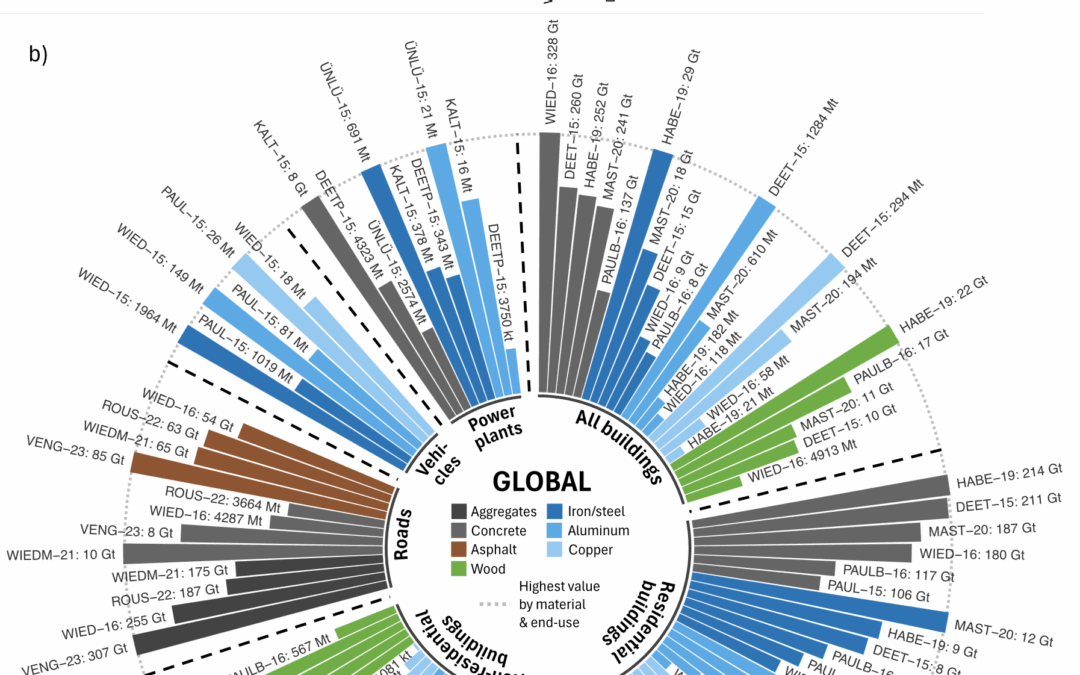
Building a Greener Future: Circular Economy Strategies for Climate Change Mitigation in the Built Environment

Building a Greener Future: Circular Economy Strategies for Climate Change Mitigation in the Built Environment

May 22, 2025

Transitioning to a circular economy model, through the reuse of materials, sustainable construction practices, and improved renovation strategies, can play a key role in climate change mitigation and the reduction of environmental impacts.

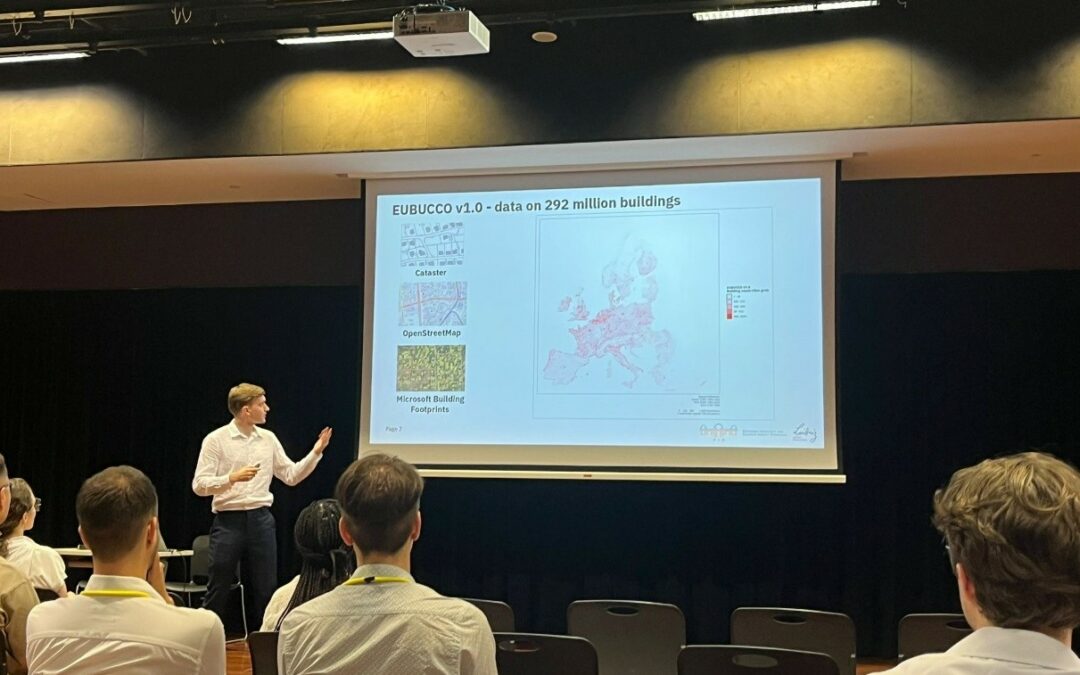
Grasping how different urban patterns affect local energy and materials demand

Grasping how different urban patterns affect local energy and materials demand

May 18, 2025

The CircEUlar team at INEGI is exploring how different urban patterns dictate energy and material needs, through spatially-explicit modelling of a comprehensive set of indicators.

The Indirect Impacts of Digitalisation on Energy and Emissions

The Indirect Impacts of Digitalisation on Energy and Emissions

May 7, 2025

Charlie Wilson and Yee Van Fan argue that the indirect impacts of AI on climate may outweigh concerns about the energy needed to train and run AI models.

« Older Entries
Next Entries »

Recent Posts

  • New Study Maps the Climate Impact of China’s Building Growth
  • From Data to Action: Policy Briefs Supporting Circular Pathways in Europe
  • Advancing Circular Economy Modeling: CircEUlar Research at the 18th IAMC Annual Meeting
  • Employee perceptions of how willing consumers are to engage in circular consumption behaviours
  • Launch of Fossil-free Ecoinvent: A new tool for modeling decarbonized worlds in life cycle assessment

Recent Comments

No comments to show.
UKRI

Funded by the European Union under grant agreement No. 101056810. Views and opinions expressed are however those of the author(s) only and do not necessarily reflect those of the European Union or HORIZON-RIA - HORIZON Research and Innovation Actions. Neither the European Union nor the granting authority can be held responsible for them.

The CircEUlar project has also received funding from the Swiss State Secretariat for Education, Research and Innovation (SERI), and the UK Research and Innovation UKRI.

Legal | Privacy

  • Follow